
"Middle Eastern coffee culture"
400 article(s) found

Different drinking habits and preferences of coffee lovers
People in the Middle East cling to the traditional way of drinking, roasting coffee beans deep to near dark (DarkRoast), usually ground into a very fine powder, and then boil several times and then add sugar to form a small cup of coffee that is extremely thick, bitter, sweet and precipitated. People sipped the small cup of coffee in an elegant and courteous manner. Southern Europeans and urban Latin America

What are the amazing flavors and characteristics of Indonesian Sulawesi Tonaga coffee? Wet planing Fassu
Professional coffee knowledge exchange more coffee bean information please follow the coffee workshop (Wechat official account cafe_style) Indonesia Sulawesi Tonaga coffee what is the amazing flavor and characteristics? Is the wet plane Farrawesi coffee good? It is said that more than 300 years ago, in the era of great navigation in which colonialism prevailed, the Dutch spilled the first coffee seed on Indonesia.

Turkey's most classic custom of making Turkish coffee
Coffee is a favorite of Westerners, but without Turks, Europeans probably wouldn't have a chance to fall in love with coffee at all. Turkish coffee is as old and mysterious as this nation. Only when it is unveiled can the world of coffee be perfectly presented. Today, Chongqing Brista Coffee West Point training School is going to introduce friends to the world's most classic coffee. Turkish coffee making and soil
Bahia Coffee Brazil is a big coffee country
Bahia is one of the 26 states in Brazil and is located in the northeast. It covers an area of 564692 square kilometers, accounting for 6.6 per cent of Brazil's land area. The capital is Salvador. Culture: due to historical reasons, Bahia is the place where Brazil is most influenced by Africa, and it is the center of non-Brazilian culture. Yoruba-style Candombl religion, and Capoeira Wushu is a typical example of African influence.

South American Coffee History Flavor and taste characteristics of Brazilian Bahia boutique coffee beans
Bahia is one of the 26 states in Brazil and is located in the northeast. It covers an area of 564692 square kilometers, accounting for 6.6 per cent of Brazil's land area. The capital is Salvador. Culture: due to historical reasons, Bahia is the place where Brazil is most influenced by Africa, and it is one of the non-Brazilian cultures.

Strong aroma of Guatemalan coffee flavor taste manor characteristics of boutique coffee beans
Guatemala is located in the tropics, the northern and eastern coastal plains have a tropical rain forest climate, the southern mountains have a subtropical climate, the year is divided into two dry and wet seasons, with the wet season from May to October and the dry season from November to April of the following year. The narrow and fertile flatlands on the Pacific side of Guatemala have a tropical climate. The central plateau is also the cultural center of Guatemala, where the year-round temperature ranges from 1300 to 1800 meters.
South America Brazil big country boutique coffee Bahia coffee beans
Bahia is one of the 26 states in Brazil and is located in the northeast. It covers an area of 564692 square kilometers, accounting for 6.6 per cent of Brazil's land area. The capital is Salvador. Culture: due to historical reasons, Bahia is the place where Brazil is most influenced by Africa, and it is the center of non-Brazilian culture. Yoruba-style Candombl religion, and Capoeira Wushu is a typical example of African influence.

The main varieties of Brazilian coffee beans introduce the graded flavor characteristics and the best roasting degree of Brazilian coffee.
Following Cafe Review (Wechat official account vdailycom) found that Beautiful Cafe opened a small shop of its own with quality beans: Sando-style NO.2, size NO.18. Taste characteristics: mild, bitter medium, soft aroma. The best degree of fried culture: medium fried culture. Although the main varieties of coffee are diverse, Brazilian coffee is suitable for the taste of the public. For example, produced in the northern coastal areas.
Flavor and taste of Ecuadorian boutique coffee beans A brief introduction to the characteristics of Hassanda Coffee Garden
Central mountain: after entering Ecuador from Colombia, the Andes is divided into the eastern and western Cordillera mountains, with a plateau high in the north and low in the south, averaging between 2500 and 3000 meters above sea level. The Andes run through the middle of the border. The ridges crisscross, dividing the plateau into more than ten intermountain basins. The most important are the Quito basin and the Cuenca basin in the south. Volcanic crowds in the territory
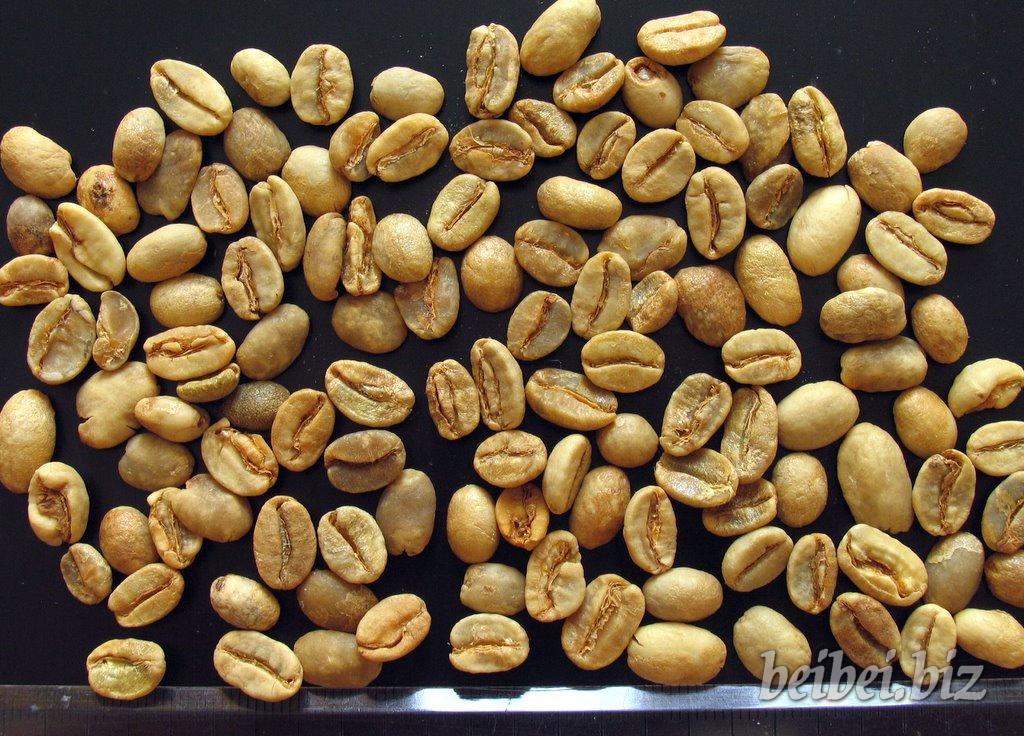
Boutique coffee beans: Ethiopian Harald mocha coffee beans (Ethiopian Harar mocha
Ethiopian Harald mocha beans (Ethiopian Harar mocha) lightly roasted Harald coffee beans, brewed in a siphon coffee pot, really have a hint of citrus aroma! This Harald harar raw coffee bean looks like grade 5, irregular, long beans (longer flat beans), short flat beans, round beans, cracked beans, mutated beans, etc.

Introduction of Colombian Coffee Flavor Manor in Colombia Coffee producing country with unique Climate
The National Coffee Management Association of Colombia, like the National Management Association of Kenya, is a model of coffee organization. Compared with other producing countries, Colombia is more concerned with developing products and promoting production. It is this, coupled with its superior geographical and climatic conditions, that makes Colombian coffee excellent in quality and delicious and famous all over the world. The status of coffee in Colombia comes from the following examples

An introduction to the characteristics and Culture of Colombian Coffee Brands in Colombian Fine Coffee producing areas
Cauca province is similar to other southwest producing areas, the precipitation shows an obvious unimodal distribution (monomodal), and the dry season mainly occurs from August to September every year, followed by a concentrated coffee blossom season followed by the next year's concentrated coffee harvest season. The biggest difference in climate between Cauca and other producing areas is probably the relatively large temperature difference, with an average daily temperature of 11 ℃ and daytime.

Introduction, varieties and characteristics of Brazilian Coffee Brazils
Brazilian coffee generally refers to coffee produced in Brazil. The vast majority of Brazilian coffee is unwashed and sun-dried and is classified according to the name of the state of origin and port of transport. Although coffee is diverse, Brazilian coffee is suitable for the taste of the public. For example, coffee produced in the northern coastal areas has a typical iodine taste, reminiscent of the sea after drinking. This kind of coffee is exported to North America and China.

Introduction of Indonesian Java coffee with unique flavor and taste
The most important island of Indonesia, the political, economic and cultural center of the country. It is about 970 kilometers from east to west and 160 kilometers from north to south, forming a narrow shape. It covers an area of 126000 square kilometers and has a population of about 124 million (2005 data). There are mainly mountains and hills, with many volcanoes. There are 58 volcanic peaks above 1800 meters above sea level, of which 14 are above 3000 meters, the highest on the island.

Introduction of Guatemala Antigua Coffee Flavor Manor with unique Xianggan Flavor
Guatemala is located in the tropics, the northern and eastern coastal plains have a tropical rain forest climate, the southern mountains have a subtropical climate, the year is divided into two dry and wet seasons, with the wet season from May to October and the dry season from November to April of the following year. The narrow and fertile flatlands on the Pacific side of Guatemala have a tropical climate. The central plateau is also the cultural center of Guatemala, where the year-round temperature ranges from 1300 to 1800 meters.

Introduction to the rich aroma, smooth and meticulous coffee flavor and taste of Nicaraguan Heavenly Manor
Columbus arrived here in 1502 and reached the east coast of Nicaragua. In 1522, Spanish colonists began to conquer the region. The cities of Granada and Leon were founded in 1524. From then on, Nicaragua became a Spanish colony and came under the jurisdiction of the Governor's Office of Guatemala. The city of Leon developed into a political and cultural center; Granada became a commercial and agricultural center. In the later period of colonial rule

Introduction to the flavor and taste characteristics of Nicaraguan Tianyi Manor Coffee
Columbus arrived here in 1502 and reached the east coast of Nicaragua. In 1522, Spanish colonists began to conquer the region. The cities of Granada and Leon were founded in 1524. From then on, Nicaragua became a Spanish colony and came under the jurisdiction of the Governor's Office of Guatemala. The city of Leon developed into a political and cultural center; Granada became a commercial and agricultural center. In the later period of colonial rule

Introduction to the characteristics of Rwanda boutique coffee beans with long-lasting aroma and taste of manor
Rwanda has many mountains and is known as the country of a thousand hills. The whole country is at a high altitude: the lowest point, the Luzizi River, is also 950 meters above sea level. The Midwest is dominated by mountains, which are part of the Aberdeen Rift Valley, which is part of the East African Rift Valley, extending from north to south along the western border of Rwanda. The highest mountain in the country is located in the northwest of Wei.

A brief introduction to the History and Culture of the Origin and Development of Coffee in the Joy Manor of Nicaragua
In many countries, coffee production will be seriously affected for political reasons. Nicaraguan coffee industry is no exception. The 1979 revolution forced coffee planters to flee to Miami. A period of indecision followed, when the government considered whether to redistribute land (including many plantations), which led to a shortage of coffee and a decline in production since the early 1970s

Nicaraguan Maraka Dula Coffee Flavor description, Grinding characteristics, introduction to the taste of the treatment method
Guatemala is located in the tropics, the northern and eastern coastal plains have a tropical rain forest climate, the southern mountains have a subtropical climate, the year is divided into two dry and wet seasons, with the wet season from May to October and the dry season from November to April of the following year. The narrow and fertile flatlands on the Pacific side of Guatemala have a tropical climate. The central plateau is also the cultural center of Guatemala, where the year-round temperature ranges from 1300 to 1800 meters.